Guided Digital Surgery Course with Hands-On Practice
The Guided Digital Surgery Course methodology developed within the M.O.D.A program is designed to help clinicians understand and implement the complete digital-to-clinical workflow in daily practice. Rather than focusing on isolated digital tools, the program connects diagnosis, planning, design and surgical application into a structured and clinically relevant process.
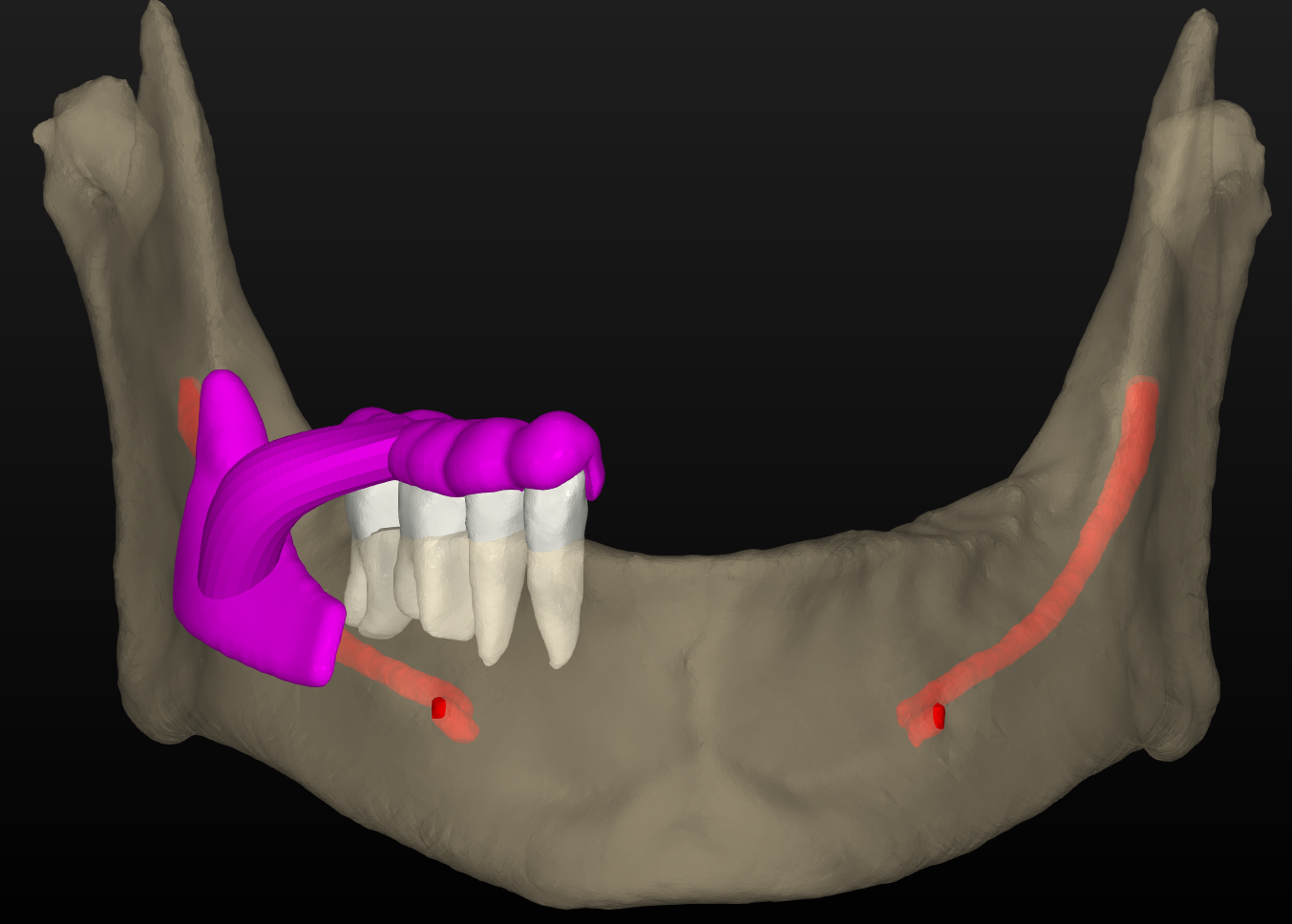
Throughout the training, participants work with key elements of modern digital dentistry, including CBCT analysis, digital planning, guide design and CAD-CAM workflows. This integrated approach allows clinicians to understand not only how to design treatments digitally, but also how those designs are translated into predictable clinical outcomes.
By combining theoretical foundations, full digital design workflows and live surgical application, M.O.D.A provides a practical learning experience focused on immediate implementation and long-term clinical predictability.
Guided Digital Surgery Course
M.O.D.A follows a progressive and applied methodology in which each session builds logically on the previous one. This approach allows participants to move coherently through the full 360° digital workflow, understanding the complete clinical–digital process from start to finish, including full digital design, surgical planning and live clinical application.
Throughout the training, key elements such as digital data management, guided surgical planning, guide design and CAD-CAM workflows are fully integrated. In addition, digital provisionalization protocols are addressed to close the entire clinical loop. As a result, the combination of theory and demonstration facilitates the immediate transfer of knowledge to daily clinical practice.
Clinical Practice and Applied Training
One of the core pillars of the M.O.D.A methodology is the integration of digital planning and live clinical application.
Day 1 – Theory & Hands-On Digital Design
The first day combines evidence-based lectures with intensive digital design sessions. Participants learn how to analyze defects, select the appropriate reconstructive strategy and design customized surgical solutions using advanced digital workflows.
Day 2 – Live Surgery & Clinical Application
The second day is dedicated to a live surgical procedure based on a digitally planned clinical case. Participants observe how the virtual treatment plan is translated into clinical reality, following the complete workflow from design validation to surgical execution and real-time decision-making.
This structure allows clinicians to experience the entire digital-to-clinical process, creating a direct connection between treatment planning and clinical implementation.
Available Modules within the M.O.D.A Program
Below you will find the modules currently available within the M.O.D.A program. All modules share the same practical, hands-on methodology and are focused on different areas of the digital workflow.
International Module – Advanced Digital Bone Reconstruction Mastery & SBBT Protocol
An advanced, highly specialized program focused on digitally guided bone reconstruction, combining biological principles, full digital design and live surgical application.
NEXT DATE:
February 5-6, 2027
A Learn-by-Doing Approach
The M.O.D.A program is designed to help clinicians progress through real, supervised and progressive practice. Each module contributes a specific component of the digital workflow, and together they form a complete and solid educational pathway.
Participants experience the complete workflow by developing a digital treatment plan and subsequently observing its implementation during a live surgical procedure. This direct connection between planning and clinical application is one of the defining features of the M.O.D.A methodology.
Thanks to this modular structure, clinicians can select the training that best fits their current needs or combine multiple modules over time. This approach makes it possible to master the full digital workflow with a clear, clinically oriented methodology focused on real-world application.